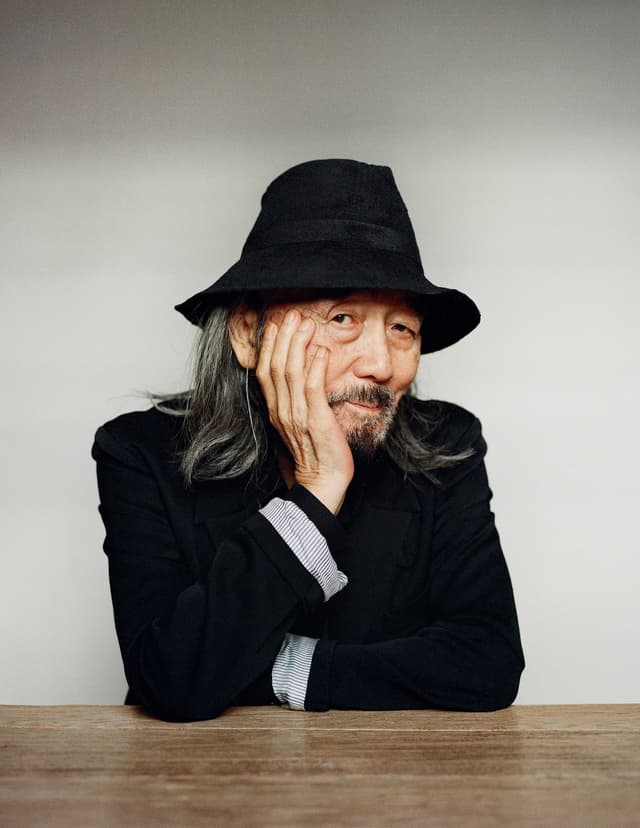
Guccio Gucci

Gucci

From Florence, Italy

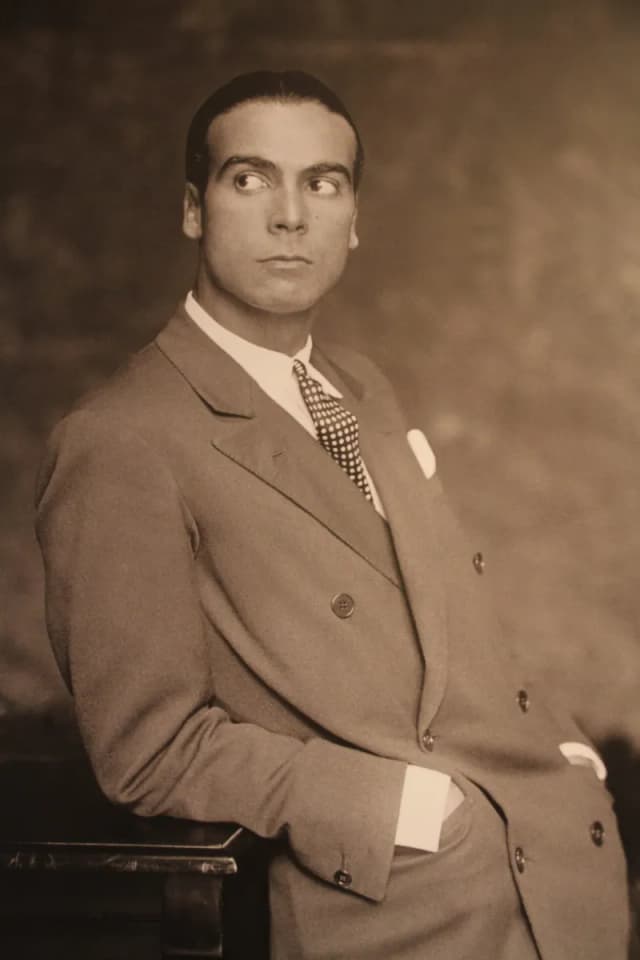
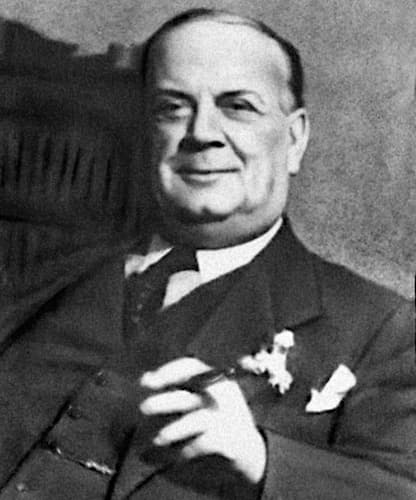
Guccio Gucci, the founder of the luxury fashion brand Gucci, laid the foundation for one of the most prestigious names in the fashion world, known for its timeless elegance, craftsmanship, and Italian heritage.

Born in: 1881-03-26

Died in: 1953-01-02

Known for: Guccio Gucci built a brand that became a symbol of luxury, craftsmanship, and innovation. Though he passed away in 1953, his legacy continues through the global brand that remains a leader in the fashion industry.

Guccio Gucci | Couturer Curated High Fashion

Early Life

Born into a family of artisans in Florence, Italy, Guccio was exposed to the world of leather craftsmanship at an early age. He worked at prestigious hotels in London and Paris, gaining insight into luxury and fashion before founding his own company.

Breakthrough Moment

In 1921, Guccio Gucci founded the Gucci brand in Florence, creating a line of high-quality leather goods that combined Italian craftsmanship with an international flair, quickly gaining attention among the elite.

Signature Style

Guccio Gucci's designs were known for their luxury, attention to detail, and quality materials. His products, especially leather bags and accessories, became synonymous with Italian elegance and craftsmanship, establishing the foundation of the brand’s iconic status.

Timeline

  • Founded Gucci

    1921-01-01

    Guccio Gucci opened his first store in Florence, Italy, specializing in leather goods and equestrian accessories. This marked the beginning of what would become one of the world’s most iconic luxury brands.

  • Expansion of Gucci

    1930-01-01

    Guccio’s store expanded beyond leather goods into other accessories, establishing Gucci’s reputation as a luxury brand with impeccable quality.

  • Death of Guccio Gucci

    1953-01-02

    Guccio Gucci passed away, leaving the future of the brand to his sons, who would continue to expand and innovate the company, securing its position as a global luxury brand.

Major Contributions

  • Founding Gucci in 1921, and establishing a brand that embodies the epitome of Italian luxury and craftsmanship.
  • Pioneering the use of luxurious leather goods and accessories in fashion, making Gucci synonymous with quality and sophistication.
  • Creating a lasting legacy with the iconic double-G logo and signature green-red-green stripe, both of which are still central to the brand today.

Brand Evolution

After Guccio's death in 1953, his sons Aldo, Vasco, and Rodolfo took over the business, expanding the brand into international markets. Gucci underwent a major revitalization under Tom Ford in the 1990s, followed by the maximalist era of Alessandro Michele (2015–2022). Since 2023, Sabato De Sarno has served as Creative Director, shifting the brand toward a more minimalist, heritage-focused aesthetic known as 'Gucci Ancora.'

Personal Life

Guccio Gucci came from a working-class family, and his early experiences in Paris and London’s luxurious hotel scene left a significant influence on his design philosophy. He worked tirelessly to establish Gucci as an internationally respected brand.

Cultural Impact

Guccio Gucci’s dedication to craftsmanship and luxury revolutionized the fashion industry. His brand became a symbol of sophistication, attracting high-profile clients, celebrities, and royalty, and shaping the global perception of luxury goods.

Quotes

  • "Quality is remembered long after price is forgotten." ~ Guccio Gucci
  • "The best things in life are always handmade." ~ Guccio Gucci

Trivia

  • Guccio Gucci started his business by selling leather bags and accessories to aristocrats and international travelers in Florence.
  • The brand’s signature double‑G logo was introduced in the early 1960s (around 1964), designed by his son Aldo Gucci.

Key Collections

Gucci Handbags (1920s)

Guccio Gucci’s luxury leather handbags, some of the first products from the brand, set the tone for Gucci’s commitment to quality craftsmanship and timeless design.

Designers you might like


brands you might like


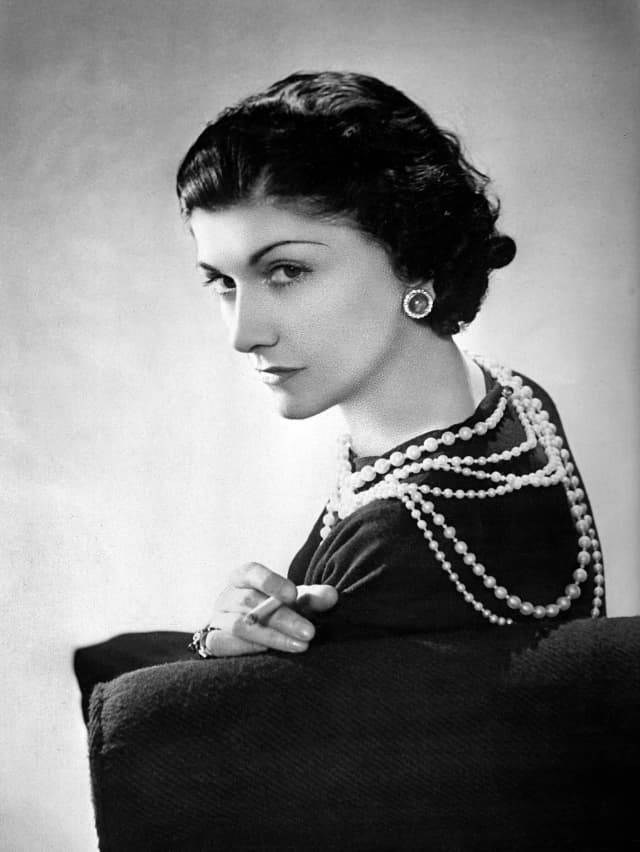
Chanel

Chanel

Paris, France

1910

Chanel is a legendary French fashion house known for timeless elegance, the Little Black Dress, tweed suits, and Chanel No. 5. Founded by Coco Chanel, it redefined modern women's fashion.

Christian Dior

Christian Dior

Paris, France

1946

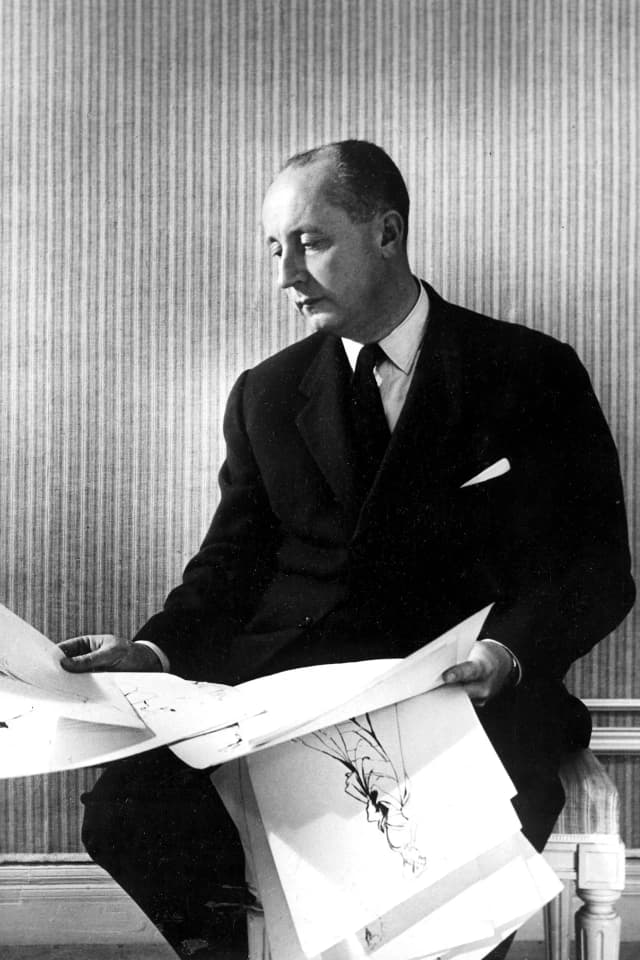
Christian Dior is a legendary French fashion house that redefined post-war elegance with the 'New Look.' Today, it is led by Jonathan Anderson, who oversees women's, men's, and couture lines.

Balenciaga

Balenciaga

San Sebastián, Spain

1917

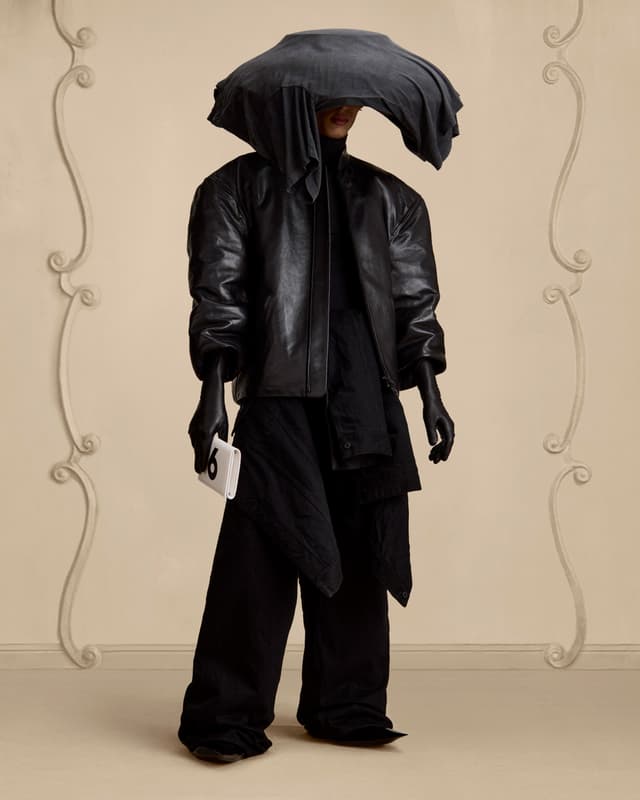
Balenciaga, founded by Cristóbal Balenciaga, is a pioneering house known for avant-garde silhouettes. Formerly led by Demna, it is now under the creative direction of Pierpaolo Piccioli as of 2025.

Gucci

Gucci

Florence, Italy

1921

Gucci is an emblem of Italian luxury, known for its eclectic and romantic aesthetic. In 2025, Demna took the helm as Creative Director, promising a bold new chapter for the house.

Givenchy

Givenchy

Paris, France

1952

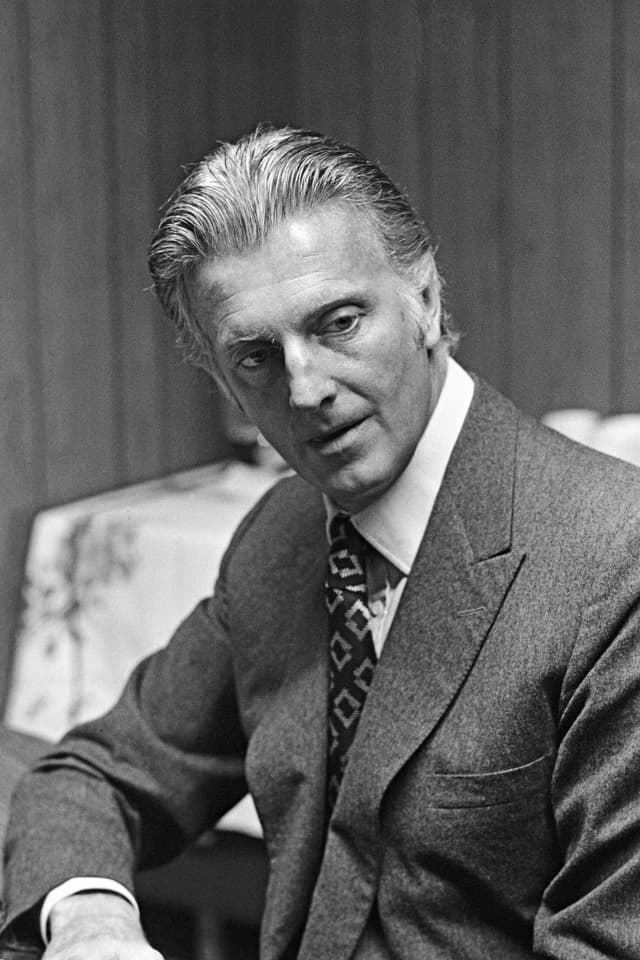
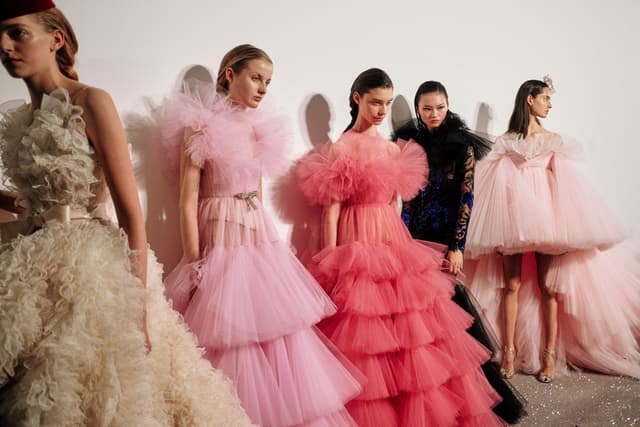
Givenchy is a symbol of aristocratic elegance and modern luxury. Known for dressing Audrey Hepburn, it is now led by Sarah Burton, who joined in 2024.

Alexander McQueen

Alexander McQueen

London, England

1992

Alexander McQueen is a British luxury house defined by its emotional power, raw energy, and unparalleled craftsmanship. It explores the savage beauty of nature and history.

Maison Margiela

Maison Margiela

Paris, France

1988

Maison Margiela is a French luxury fashion house famously known for its deconstructivist and avant-garde designs. Glenn Martens is the current Creative Director.

Saint Laurent

Saint Laurent

Paris, France

1961

Saint Laurent, founded by Yves Saint Laurent, is an iconic French fashion house. Anthony Vaccarello currently leads the brand with a sharp, rock-chic aesthetic.

Rick Owens

Rick Owens

Los Angeles, USA

1994

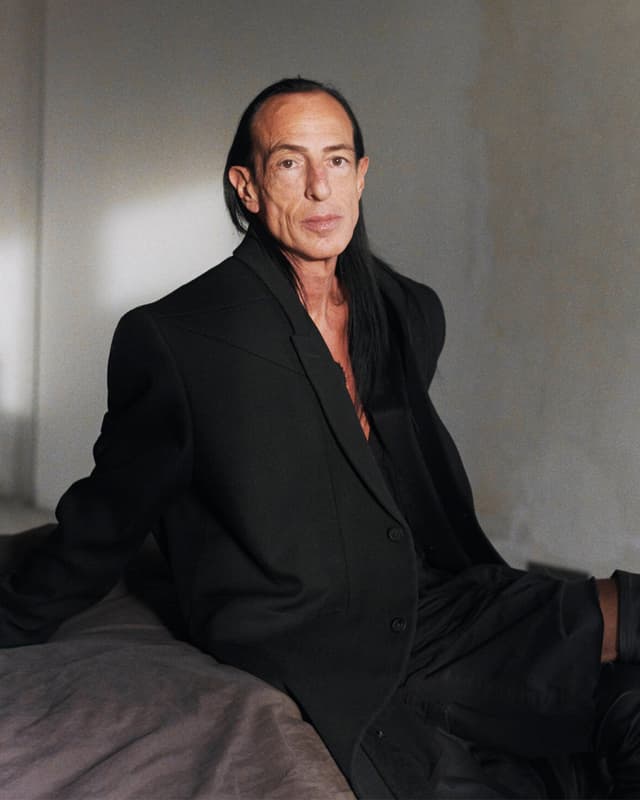
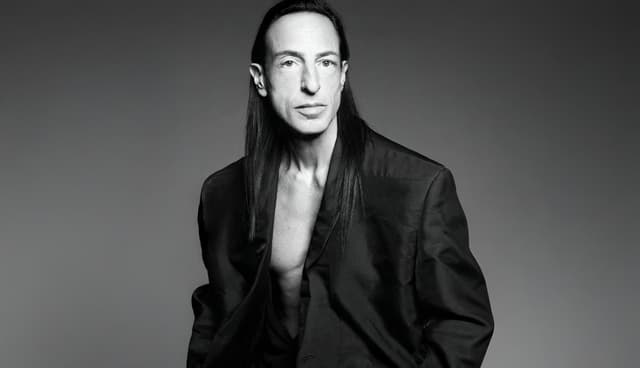
Rick Owens is the lord of darkness in luxury fashion. Known for his 'glunge' (glamour + grunge) aesthetic, his brand is a brutalist, architectural monument to the beauty of imperfection.

Enfants Riches Déprimés

Enfants Riches Déprimés

Los Angeles, USA

2012

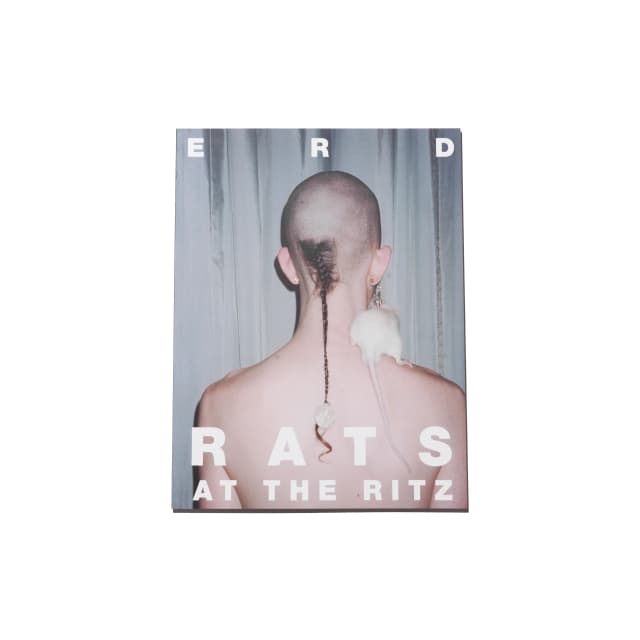
Enfants Riches Déprimés (ERD) is a quasi-anti-fashion label based in Los Angeles and Paris. Founded by Henri Alexander Levy, it fuses 'elitist, nihilist couture' with punk aesthetics.

Yohji Yamamoto

Yohji Yamamoto

Tokyo, Japan

1972

Yohji Yamamoto is a master tailor known for his avant-garde tailoring featuring Japanese design aesthetics. He is famous for his mastery of the color black.

Comme des Garçons

Comme des Garçons

Tokyo, Japan

1969

Comme des Garçons, led by the enigmatic Rei Kawakubo, is arguably the most influential avant-garde house in history. It treats fashion as pure artistic expression.

Prada

Prada

Milan, Italy

1913

Prada is the intellectual's luxury brand. Helmed by Miuccia Prada and Raf Simons, it defines the 'ugly chic' aesthetic and sets the global fashion agenda.